HR and Payroll Tool
The Challenge
Project Overview
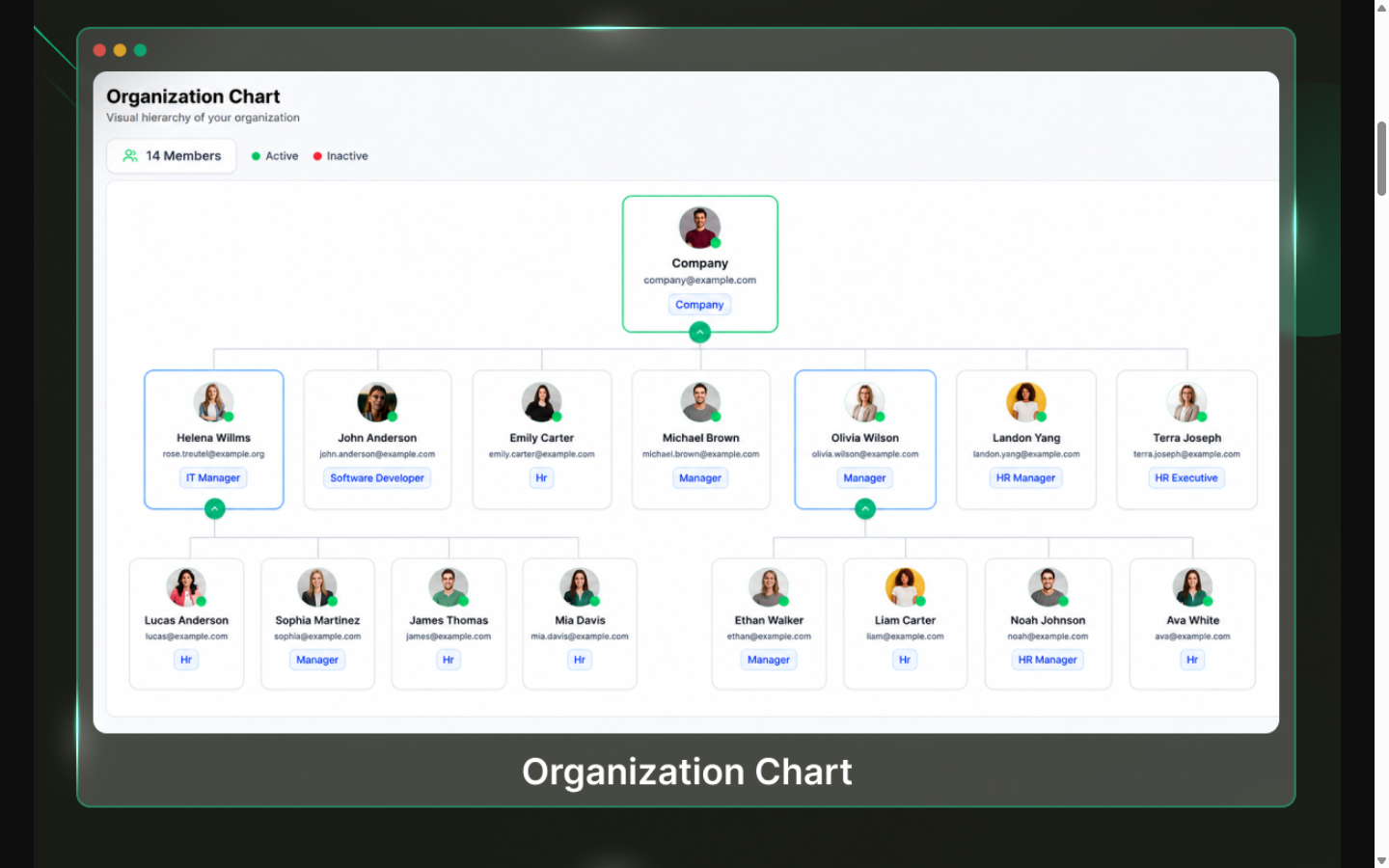
The client operated multiple business entities under one ownership structure—each with its own employees, attendance rules, leave policies, and payroll cycles. Managing HR operations across these entities meant juggling spreadsheets, separate email threads, and manual salary calculations. There was no single source of truth for employee data, and payroll errors were costing both time and trust.
WebMundo was engaged to build a unified HR & Payroll Tool that gives organizations complete control over employee management, attendance, leave, timesheets, recruitment, performance, and payroll—from one secure dashboard.
🔴 Challenge 1: Managing Multiple Companies from One System
The Problem:
The client didn't have one company—they had several. Each entity needed its own employee records, leave policies, and payroll structure. Using separate software for each was expensive and made consolidated reporting impossible. Employees were getting duplicated across systems.
Our Solution:
We built a Super Admin layer with full multi-company management:
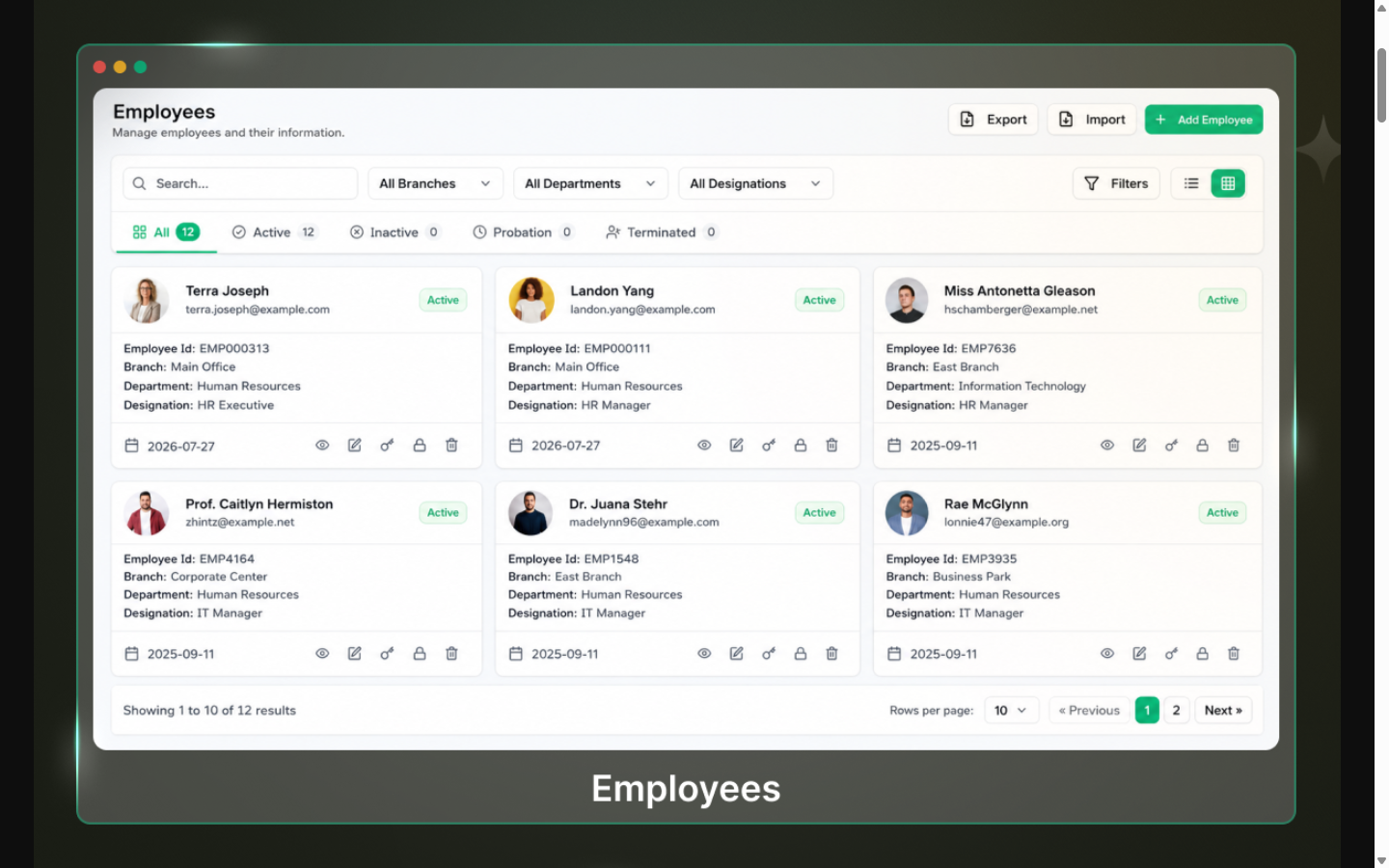
Super Admin creates and manages unlimited companies from one dashboard.
Each company gets its own secure, isolated workspace—no data bleed between entities.
Employees, attendance, leave, payroll, and recruitment are scoped per company.
Consolidated reporting available at the Super Admin level; operational control stays with each company.
Role-based access ensures company HR admins only see their own data.
Business Impact: One installation replaced multiple fragmented systems. The organization could now onboard a new entity in minutes instead of weeks, and employee data stayed cleanly separated.
🔴 Challenge 2: Payroll Was a Manual, Error-Prone Process
The Problem:
Payroll was calculated in Excel—salary components, deductions, attendance-based cuts, and overtime were manually entered each month. A single formula error meant overpayment or underpayment, and correcting it took days. Payslips were generated manually and emailed individually.
Our Solution:
We delivered a complete Payroll Engine:
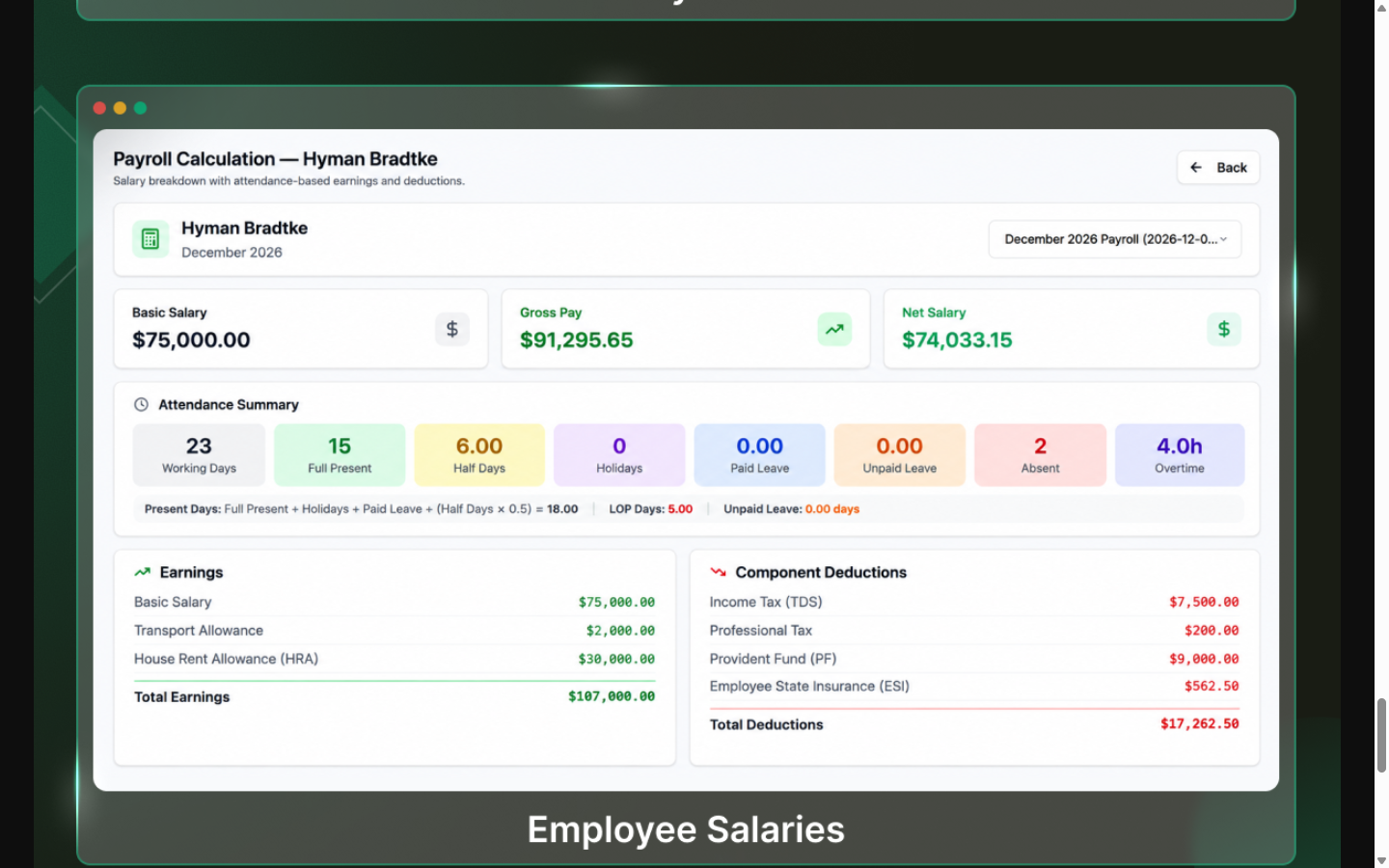
Configurable salary structures (basic, HRA, allowances, deductions, PF, ESI, TDS).
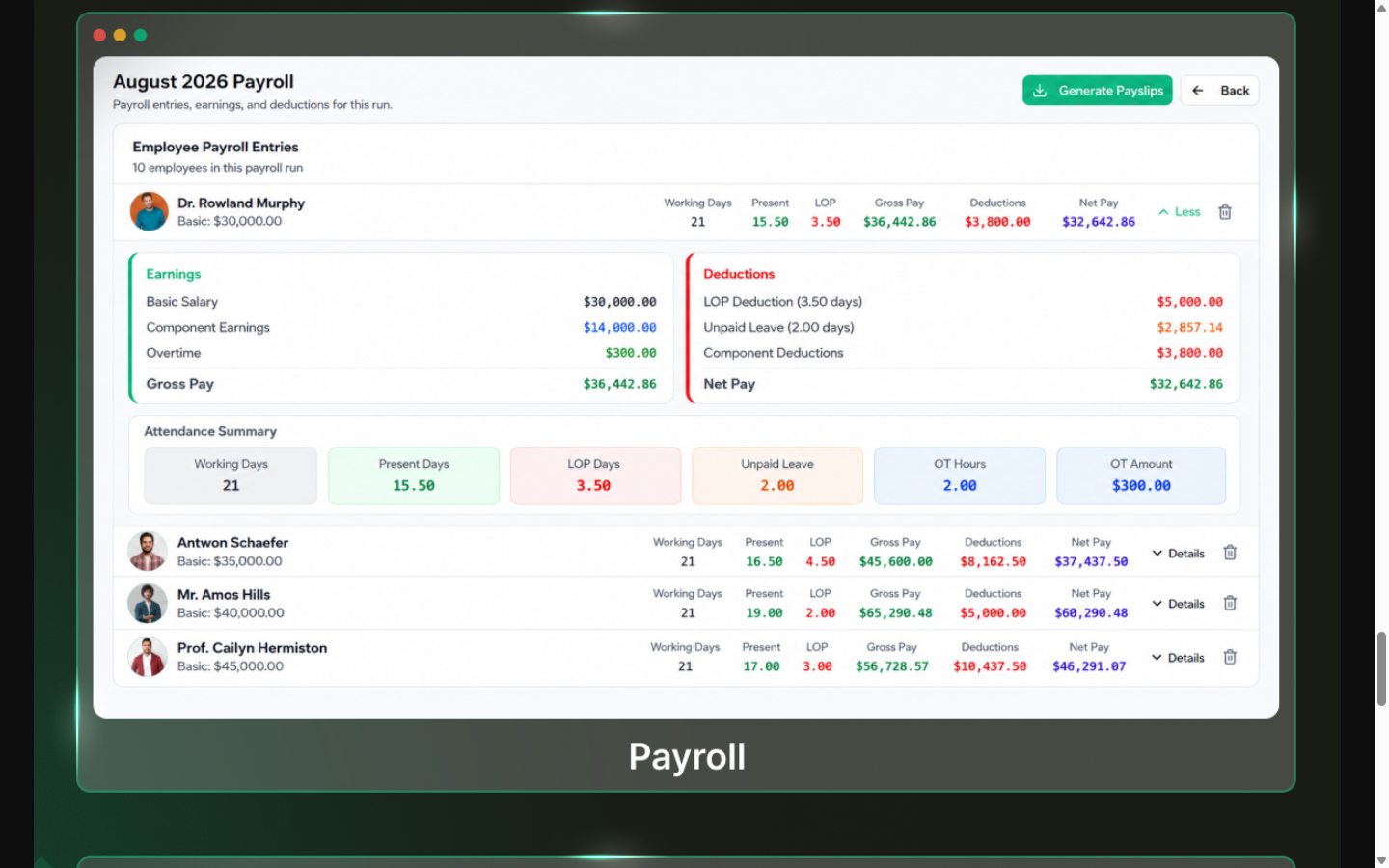
Automatic calculation based on attendance, leave, and overtime data.
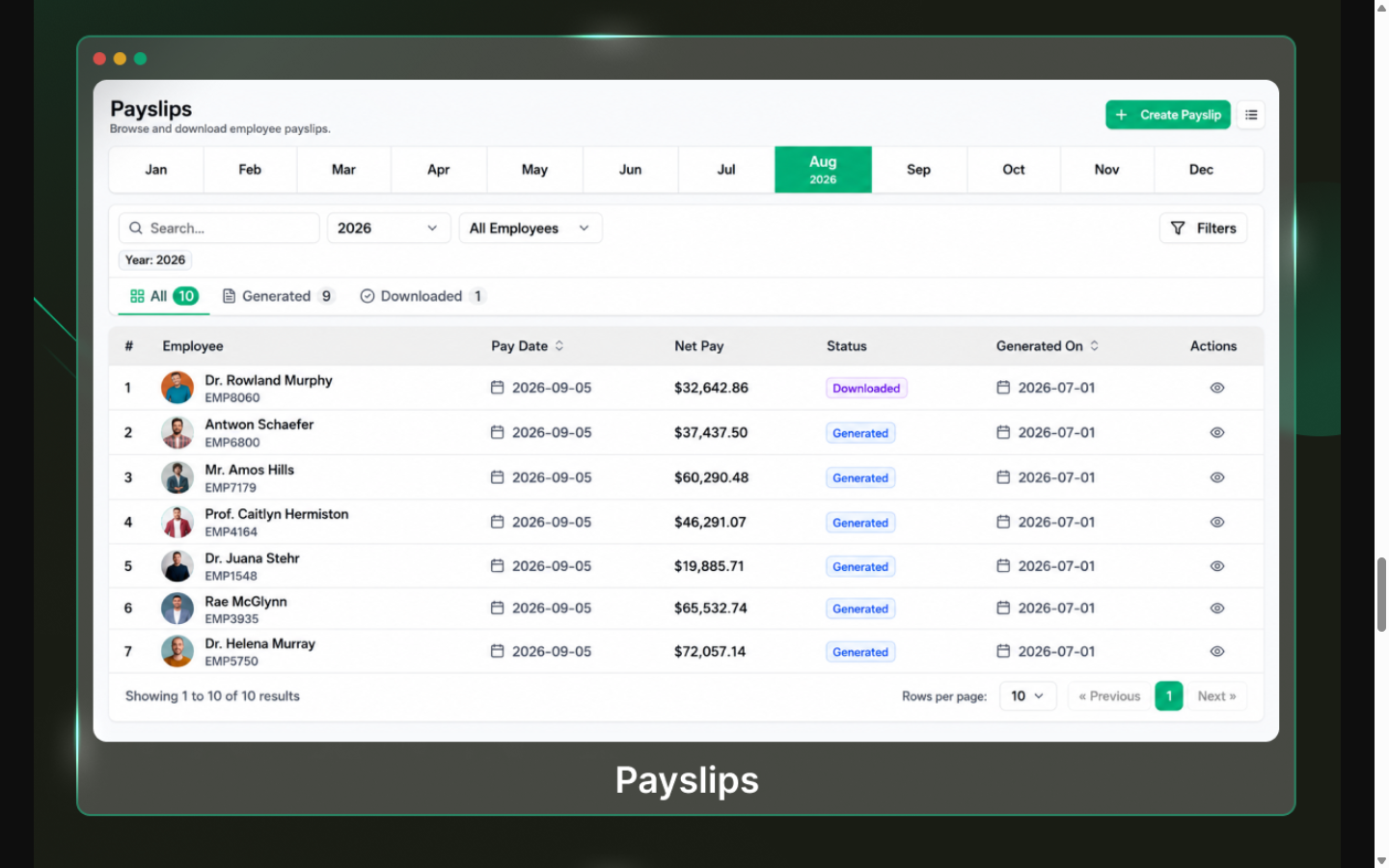
Payslip generation with one-click PDF download for each employee.
Payroll history and monthly comparison reports.
Manual adjustments supported with audit trails.
Bulk payroll processing for entire departments or companies.
Business Impact: Monthly payroll processing time dropped from 3-4 days to a few hours. Calculation errors were eliminated, and employees received payslips on time, every time.
🔴 Challenge 3: Attendance & Timesheet Tracking Across Teams
The Problem:
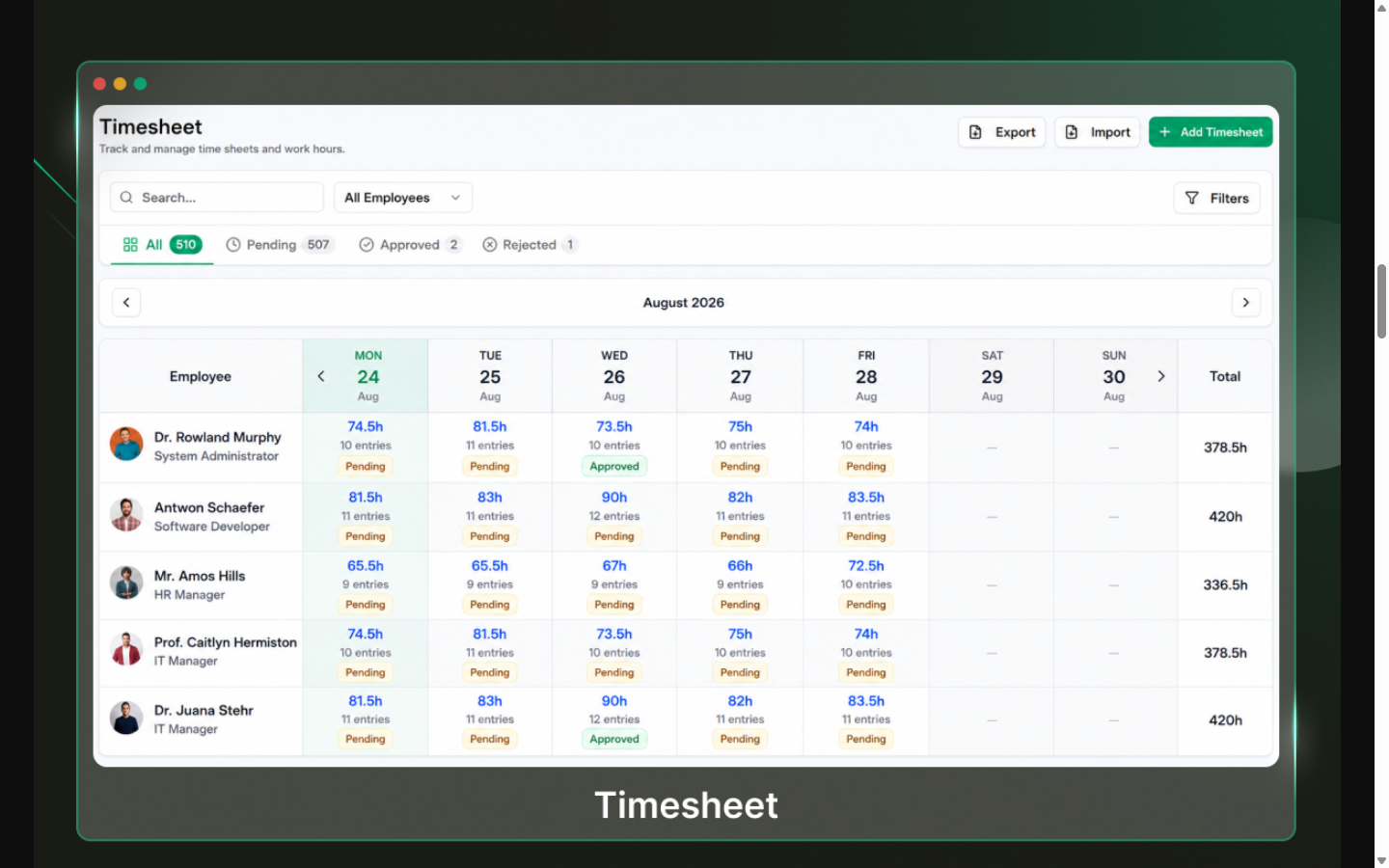
With employees working across offices, remote locations, and shifts, tracking attendance was inconsistent. Timesheets for project-based work were submitted on paper or WhatsApp, making it impossible to bill clients accurately or calculate overtime.
Our Solution:
We built Attendance & Timesheet Management:
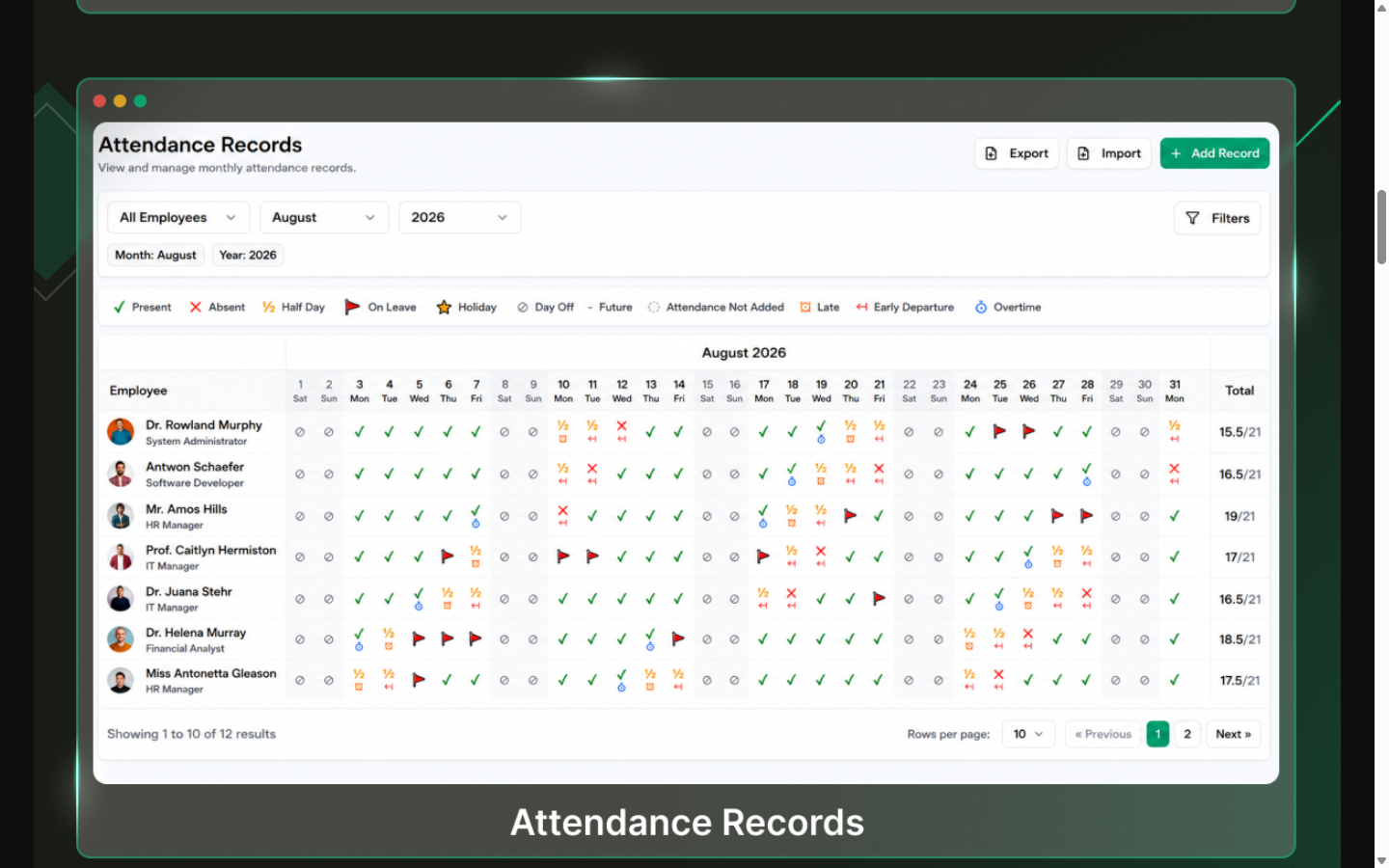
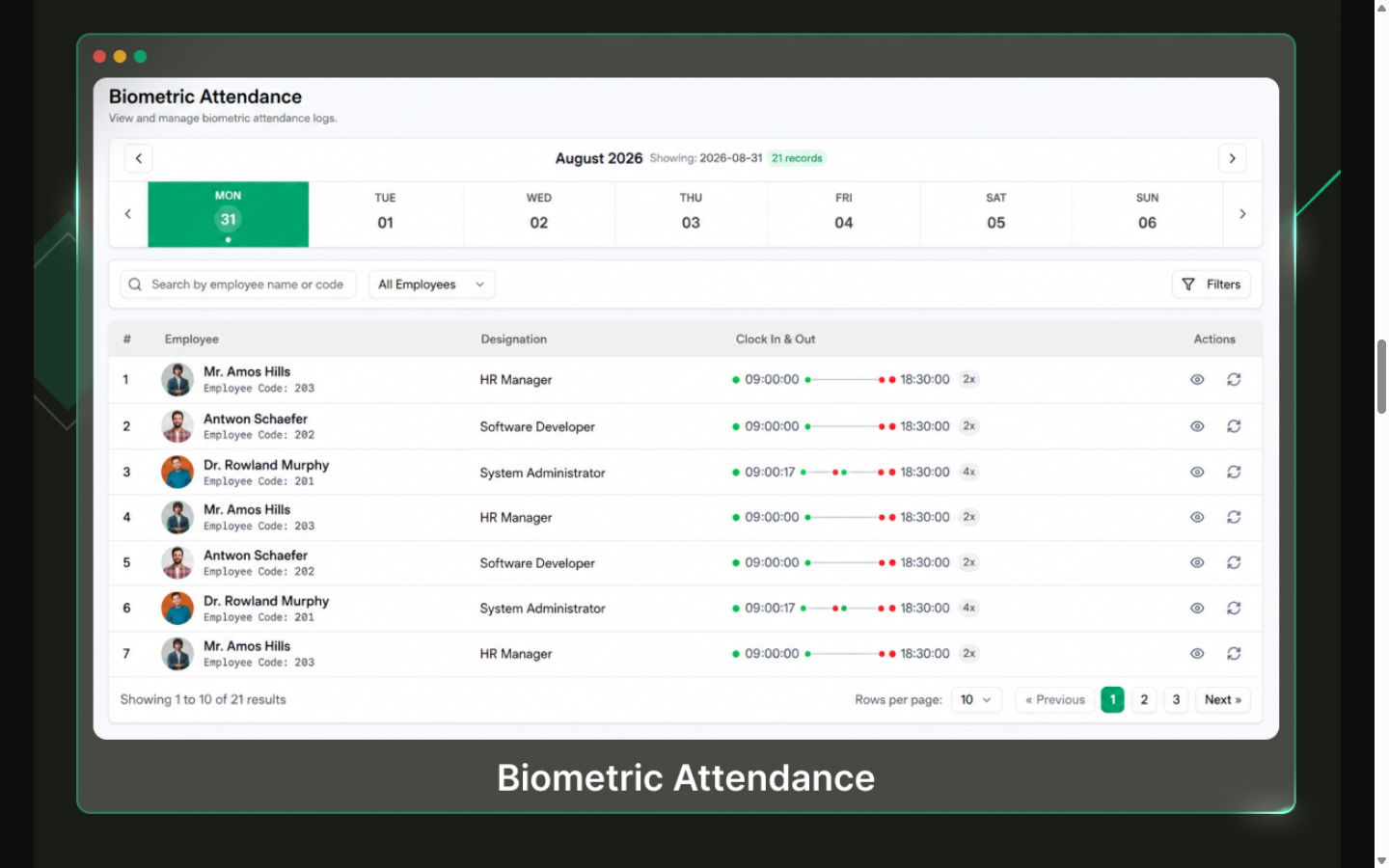
Daily attendance marking (manual, bulk, and import options).
Shift-based attendance support with late/early detection.
Employee timesheet submission—hours logged per project or task.
Manager approval workflow for timesheets.
Overtime calculation integrated with payroll.
Attendance summary dashboard with monthly views.
Business Impact: The HR team stopped chasing timesheets. Overtime was calculated accurately, and project billing became data-driven instead of estimate-based.
🔴 Challenge 4: Leave Management Was Fragmented
The Problem:
Leave requests came through email, WhatsApp, and verbal approval. HR had no single view of who was on leave, what leave balance each employee had, and whether approvals were recorded. Employees often disputed leave deductions.
Our Solution:
We implemented Leave Management with Policy Control:
Configurable leave types (Casual, Sick, Earned, Unpaid, Maternity, etc.) per company.
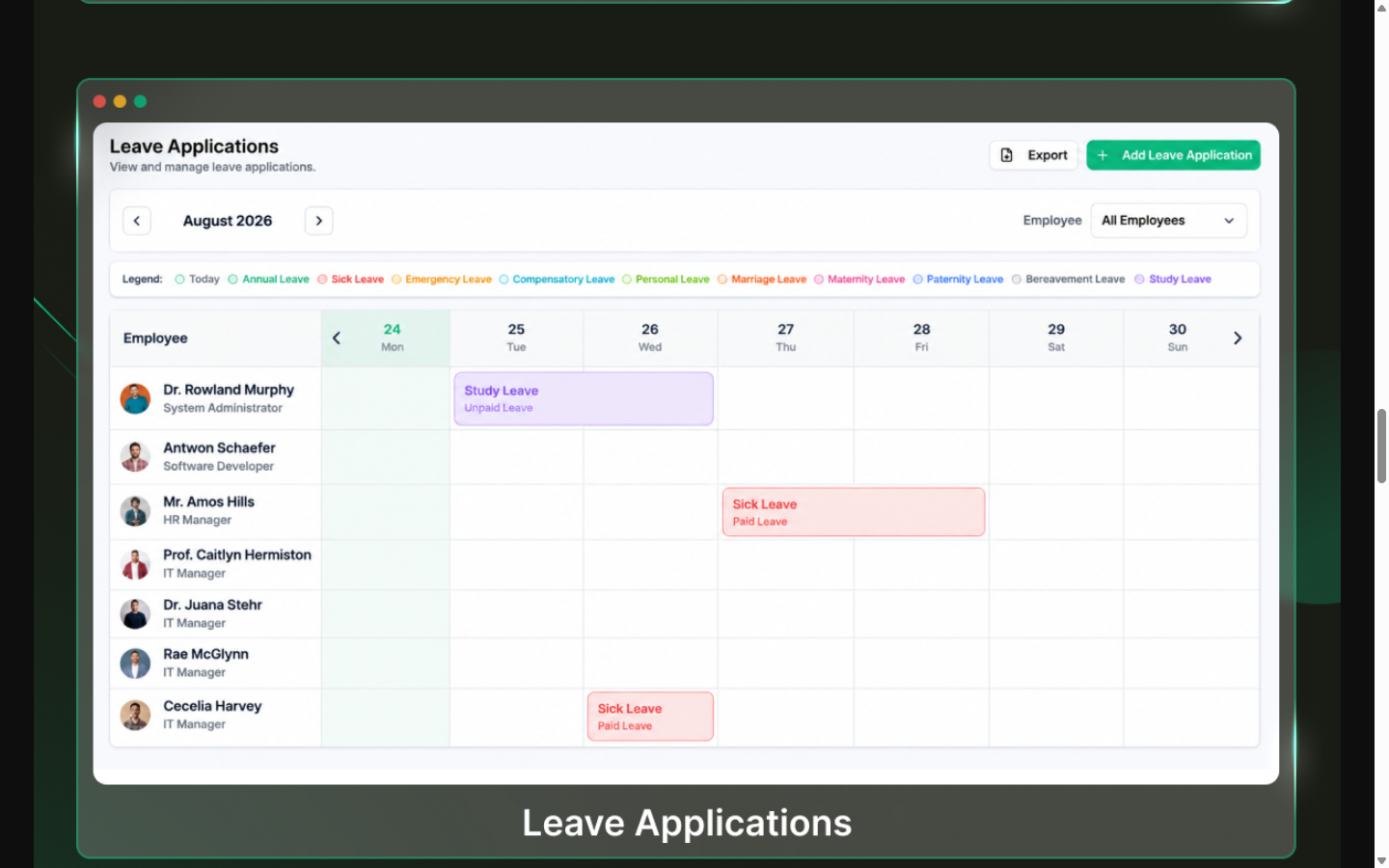
Employees apply for leave from their dashboard; managers approve/reject with comments.
Automatic leave balance tracking per employee.
Leave calendar showing team availability.
Leave deductions automatically reflected in payroll.
Bulk leave allocation and carry-forward rules.
Business Impact: Leave disputes stopped. Employees could see their own balance anytime, and HR had a complete audit trail of every approval.
🔴 Challenge 5: Recruitment Was Unstructured
The Problem:
Hiring was managed through email threads and shared folders. Candidate data was scattered, interview feedback was informal, and there was no way to track which positions were open, how many candidates applied, or where each candidate stood.
Our Solution:
We built a Recruitment Module:
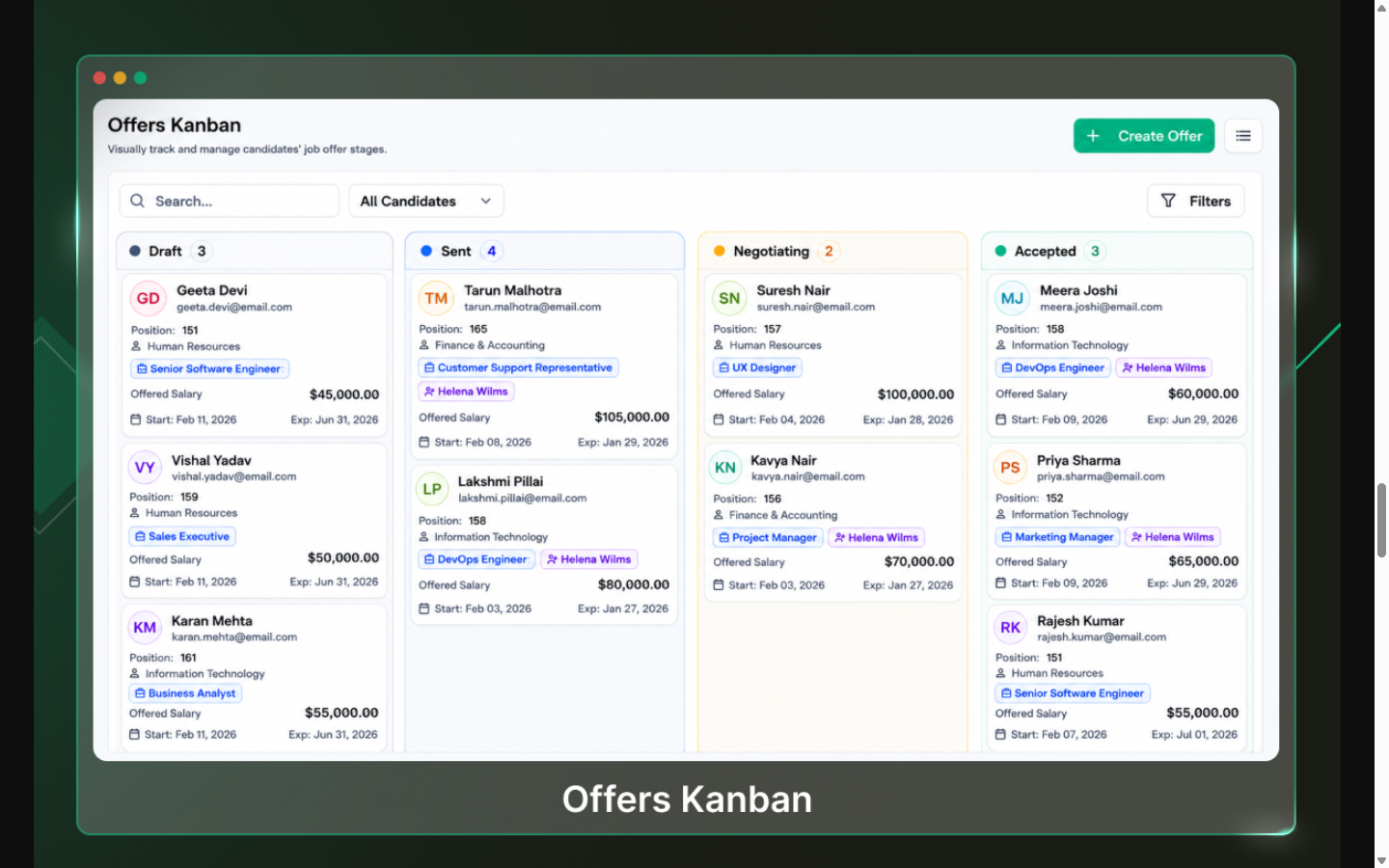
Job posting management (create, publish, close positions).
Candidate pipeline with stages (Applied → Screening → Interview → Offer → Hired).
Resume upload and candidate profile management.
Interview scheduling and feedback collection.
Hiring dashboard with vacancy and candidate status overview.
Onboarding handoff—hired candidates convert to employee records.
Business Impact: Recruitment became trackable. Hiring managers could see real-time pipeline status, and candidate feedback was documented instead of forgotten.
🔴 Challenge 6: Performance Reviews Were Annual Afterthoughts
The Problem:
Performance reviews happened once a year, were mostly subjective, and had no connection to actual work data. Managers struggled to remember what an employee achieved 10 months ago, and employees felt the process was unfair.
Our Solution:
We delivered a Performance Management Module:
Configurable review cycles (quarterly, half-yearly, annual).
Goal-setting and KRA/KPI tracking per employee.
Self-assessment and manager assessment workflows.
Performance ratings linked to appraisal and salary revision.
Review history and comparison across cycles.
Manager dashboard showing team performance at a glance.
Business Impact: Performance conversations became data-backed. Managers could reference actual goals and outcomes instead of relying on memory, and employees had a transparent view of their progress.
🔴 Challenge 7: Data Privacy Between Business Entities
The Problem:
With multiple companies on one system, privacy was the biggest concern. Company A's employee salaries should never be visible to Company B's HR admin. Any data leak would be a serious breach of trust and compliance.
Our Solution:
We enforced strict data isolation at the architecture level:
Every database query is scoped by company ID—no accidental cross-company reads.
Role-based access control: Company HR only sees their company; Super Admin sees all.
Secure authentication with session management.
Audit logs for sensitive actions (payroll runs, salary edits, employee deletions).
Encrypted storage for sensitive employee documents.
Business Impact: The client could confidently run multiple entities on one system without fear of data leakage. Employee trust was maintained, and compliance requirements were met.
The Solution
🔴 Challenge 8: Accessibility for Non-Technical HR Teams
The Problem:
HR teams are not developers. The tool needed to be usable without training manuals, work on any device, and support teams that were not comfortable with complex software.
Our Solution:
We focused on simplicity and accessibility:
Clean, responsive UI that works on desktop, tablet, and mobile.
Role-specific dashboards—each user sees only what they need.
One-click actions for common tasks (approve leave, download payslip, mark attendance).
Bulk operations for repetitive tasks (bulk attendance, bulk payroll, bulk leave allocation).
Export to PDF and Excel for reporting.
Clear error messages and guided workflows.
Business Impact: HR teams adopted the system within days. No lengthy training was required, and support tickets dropped significantly after the first month.
📊 Results Summary
| Metric | Before | After |
|---|---|---|
| Company management | Separate systems per entity | One dashboard, isolated workspaces |
| Payroll processing | 3-4 days (manual Excel) | Few hours (automated) |
| Payslip generation | Manual, individual emails | One-click bulk PDF |
| Attendance tracking | Paper / WhatsApp | Digital with shift support |
| Timesheet approval | Paper / verbal | Digital workflow with audit trail |
| Leave management | Email / WhatsApp | Self-service portal with approvals |
| Recruitment tracking | Email threads | Pipeline dashboard |
| Performance reviews | Annual, subjective | Cycle-based, goal-linked |
| Data privacy | Shared spreadsheets (risky) | Strict company-level isolation |
| Device access | Desktop only | Responsive (mobile, tablet, desktop) |
🏁 Conclusion
The HR & Payroll Tool demonstrated WebMundo's ability to build a complete, multi-entity HR platform that handles everything from hiring to exit—without compromising data privacy or usability.
The project proved that organizations don't need to buy separate software for each business entity or rely on spreadsheets for payroll. A single, well-architected tool can manage the entire employee lifecycle across multiple companies, with strict data isolation and role-based access.
Ready to streamline your HR operations? Contact WebMundo for a free consultation.
Technologies Used

Ready to build something like this?
Tell us about your goals and we'll show you how the right technology can get you there.
Book a Demo